
Grout may seem like a small part of a tile installation, but it affects appearance, durability, and maintenance. Understanding the different types of grout before choosing one can help homeowners and businesses avoid problems. From bathrooms and kitchens to entryways and commercial spaces, the right product depends on tile size, joint width, moisture exposure, traffic, and cleaning needs. Regular tile and
grout cleaning can also help preserve surfaces after installation and keep grout looking cleaner over time.
Why Grout Selection Matters
Grout fills the spaces between tiles, supports the appearance, and helps protect underlying areas from debris and moisture. However, one grout product is not automatically suitable for every application. A bathroom shower has different demands from a kitchen backsplash, while a busy commercial floor faces different wear than a residential wall.
Before selecting a product, consider where the tile will be installed and how the area will be used. Moisture, foot traffic, exposure to stains, joint width, and the type of tile can all influence the best choice. Maintenance expectations matter too. Some products need sealing and frequent care, while others offer greater stain resistance with less attention.
Cement-Based Grout
Traditional cement-based grout remains a common option for many tile projects. It is generally easy to find and available in numerous colors. Standard cement grout is often mixed with water and applied between tiles before curing.
One consideration is porosity. Cement-based grout can absorb moisture and stains, particularly when it is not properly sealed. Kitchens, bathrooms, and other areas exposed to spills may require periodic sealing and cleaning. Dirt can also become noticeable, especially in lighter-colored grout lines.
There are also sanded and unsanded versions. Sanded grout is commonly used for wider joints because the added sand helps reduce shrinkage. Unsanded grout has a smoother texture and is generally better suited to narrower joints or certain tile surfaces that could be scratched by sand particles.
Epoxy Grout
Epoxy grout differs from traditional cement products because it uses resins and hardeners to create a dense, durable material. It is highly resistant to moisture, stains, and many chemicals, making it useful in demanding environments.
This option can work well in showers, commercial kitchens, food preparation areas, and other places where frequent cleaning or moisture is expected. Its low absorbency can reduce concerns about staining compared with standard cement grout.
However, epoxy grout may cost more and can be more difficult to install. It often sets faster, leaving less working time for application. Because installation requires careful handling, professional assistance may be preferred for larger projects.
Modified Cement Grout
Polymer-modified cement grout contains additives designed to improve performance.
Depending on the product, these additions can improve flexibility, adhesion, or resistance to cracking and moisture.
This category can provide a practical middle ground for people who want improved performance without choosing epoxy. Still, products vary, so reading manufacturer instructions remains important. Some modified grouts require sealing, while others offer greater protection than traditional options. The installation location should guide the final choice rather than assuming every modified product performs the same way.
Single-Component Grout
Single-component grout comes premixed and is designed for convenient application. It can offer strong stain resistance and does not require mixing at the job site. For smaller projects, this convenience can reduce preparation time and limit material waste.
These products are often chosen for residential kitchens, bathrooms, and backsplashes. Their performance depends on the formula and use, so checking whether a product is approved for wet areas, floors, or particular tile types is important.
Like other grout options, proper surface preparation and application affect the final result. Even a high-quality product can perform poorly if installed over an unsuitable surface or used outside its recommended conditions.
Matching Grout to the Room
Bathrooms usually require grout that can handle frequent moisture and regular cleaning. Shower walls and floors may need stronger moisture and stain resistance than a decorative wall outside the wet area.
Kitchens face spills, grease, and food stains. A backsplash may experience less physical wear than a floor, but both surfaces benefit from grout that suits their specific conditions. Darker grout can hide some discoloration, while lighter grout may require more visible upkeep.
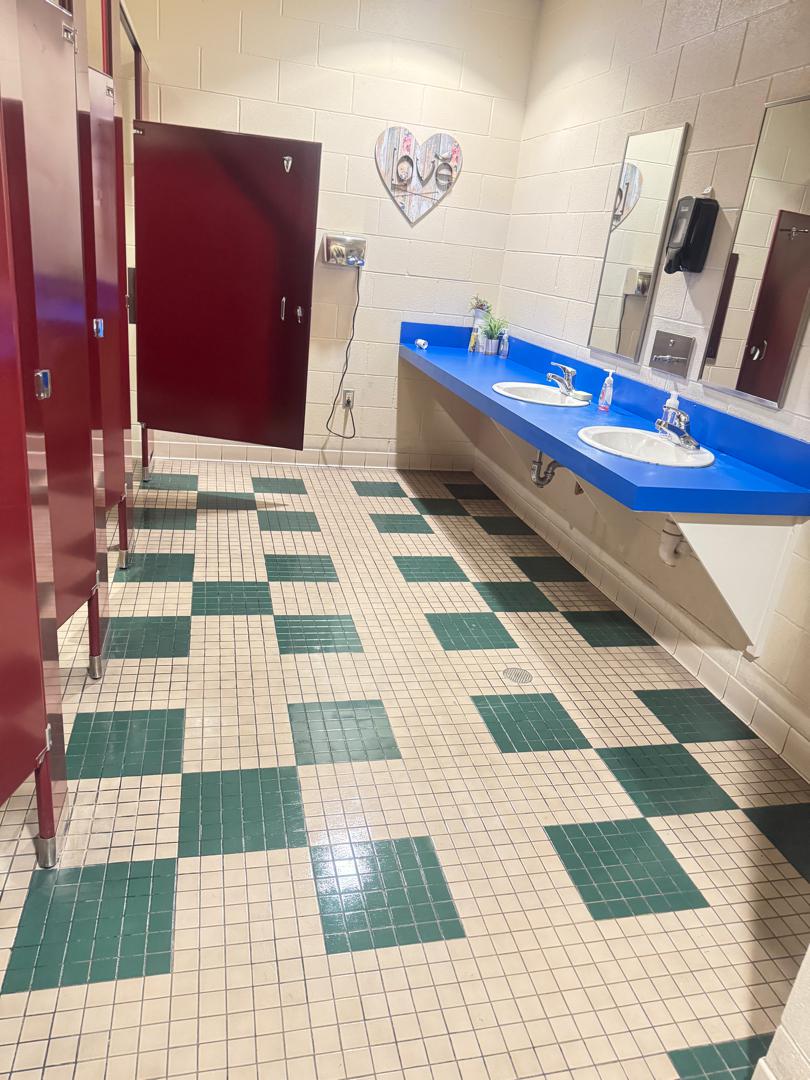
Entryways, hallways, and commercial floors often experience heavier traffic.
Durability becomes especially important in these spaces. Businesses should also consider how often floors are cleaned and whether the cleaning process involves equipment or products that may affect the grout.
Maintenance Should Influence the Decision
No matter which type you choose, grout benefits from routine care. Sweeping or vacuuming tiled floors helps remove abrasive grit. Promptly cleaning spills can reduce staining, while using suitable products helps avoid leaving residue behind.
Cement-based grout may need periodic sealing according to its product requirements and use conditions. Professional cleaning can also help address embedded soil that household methods do not remove effectively. Avoid using harsh methods without checking whether they are safe for grout and surrounding tile.
A Better Choice Starts With the Space
Choosing among the types of grout is easier when you begin with the room, the tile, and the level of maintenance you can reasonably provide. There is no single answer for every floor, wall, shower, or commercial surface. Looking at moisture, traffic, staining risks, joint width, and care requirements can properly narrow options.
Once the grout is installed, regular care can help protect its appearance and extend the life of the tiled surface. For professional grout cleaning, tile cleaning, and other cleaning services in Helena, BMS Premier Cleaners can remove buildup and refresh hard surfaces when routine cleaning isn’t enough. Get support for grout and tile throughout your home or business. Call (406)586-7478 for a free quote.