Meta Title: Workplace Cleaning During Flu Season: Employee Performance
Primary Keyword: workplace cleaning during flu season Secondary Keywords: commercial janitorial services Bozeman, commercial cleaning Boise ID, Helena commercial cleaning, janitorial service Boise, cleaning companies Bozeman
Source: https://drive.google.com/drive/folders/1SbQSe42JSWIfOcMR4cyLa-qpO_-mN8AT Cold and flu season rarely announces itself with one dramatic moment at work. It usually shows up in smaller ways: an empty desk on Monday, a delayed handoff, a team member rereading the same email because their concentration is off, or a supervisor covering two roles before lunch. Those changes can turn an ordinary week into a difficult one.
That is why workplace cleaning during flu season belongs in conversations about performance as well as appearance. Cleaning cannot prevent every respiratory illness, but regular attention to shared spaces can support a cleaner setting while employees and managers handle the practical strain that seasonal sickness can create.
Illness Can Affect Output Before the Attendance Report Looks Serious
Absenteeism is easy to measure because an employee is either present or absent. However, its effect on a workplace can spread across several roles. A missed shift may delay a customer response, push a deadline, interrupt a project handoff, or force another employee to take on work that was never part of the day’s plan.
Seasonal illness can also create uncertainty around priorities. Managers may spend time reshuffling work, employees may postpone tasks that depend on absent colleagues, and routine decisions can take longer when teams are working with reduced capacity.
That strain can also affect routine workplace upkeep when employees who normally handle small cleaning tasks are covering absent coworkers. Businesses comparing cleaning companies Bozeman may therefore place greater value on consistency during seasonal staffing pressure.
Research on influenza-related workplace productivity loss has found that influenza can affect both absenteeism and presenteeism, which is reduced performance while an employee is still working. Someone dealing with fever, fatigue, headache, coughing, or poor sleep may need longer to complete familiar tasks or may have trouble sustaining attention.
Organizations comparing commercial janitorial services Bozeman should consider how cleaning schedules fit around staffing, traffic, and shared work areas, especially during weeks when illness is already putting pressure on the team.
Presenteeism Creates Problems That Are Easy to Miss
A full office does not always mean a fully productive office. Employees who work while sick may struggle with concentration, decision-making, communication, or pace. A task that normally takes twenty minutes may require several attempts. Small errors can also create follow-up work for colleagues.
The pressure often reaches healthy employees too. When one person is operating below normal capacity, another may answer extra calls, check work, cover a meeting, or stay late to keep a project moving. That added load can affect morale long before it appears in a formal performance report.
An office reviewing commercial cleaning Boise ID options can benefit from a routine that takes cleaning tasks off already busy staff and gives shared areas a clear schedule.
The Most Touched Places Are Often the Least Discussed
Workplaces contain many surfaces that pass through several hands each day. Door handles, refrigerator pulls, coffee machine buttons, copier controls, shared phones, keyboards, light switches, conference room tables, faucet handles, and elevator buttons can all receive frequent contact.
CDC guidance for facilities recommends regular cleaning of high-touch surfaces and cleaning other surfaces when they are visibly dirty. The same guidance notes that cleaning with soap or detergent lowers the number of germs on surfaces. Disinfection may be appropriate in certain situations, including areas where someone has clearly been ill.
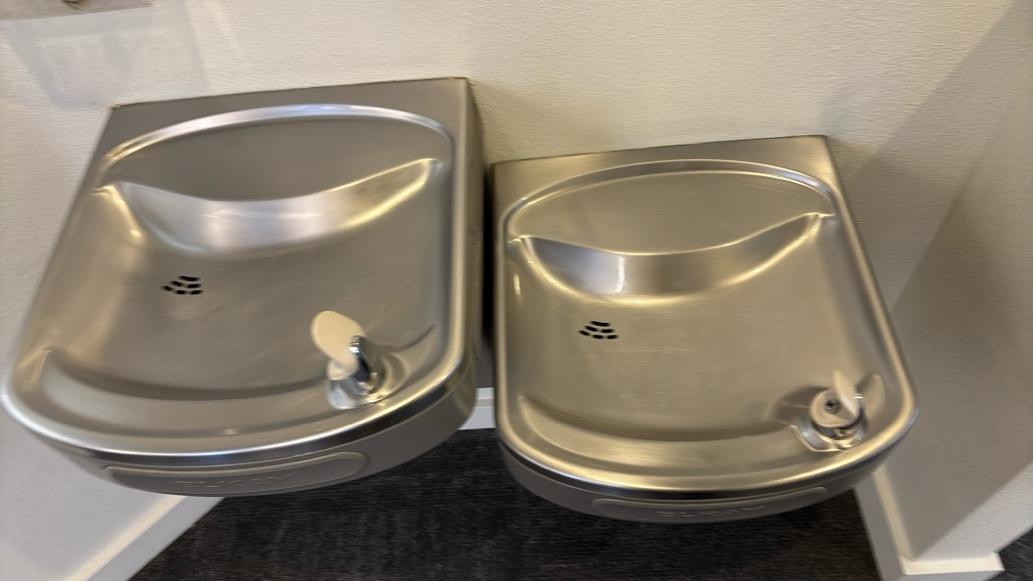
Source: https://drive.google.com/drive/folders/1SbQSe42JSWIfOcMR4cyLa-qpO_-mN8AT A Helena commercial cleaning routine can account for these contact points by matching frequency to actual use. A shared reception desk may need a different schedule from a private office that receives little traffic.
Breakrooms and Restrooms Need Specific Attention
Breakrooms combine food, shared appliances, sinks, tables, cabinet handles, trash, and repeated hand contact in a small area. A room may look orderly while appliance controls, refrigerator handles, chair backs, and faucet fixtures still need attention.
Restrooms bring another set of priorities. Faucet handles, stall latches, dispensers, counters, door handles, and other frequently touched areas need routine care. Soap, paper products, and hand drying supplies also matter because employees need access to basic hygiene resources throughout the day.
A manager considering janitorial service Boise options should look at restroom and breakroom traffic rather than relying on one fixed frequency for every part of the property.
A Good Cleaning Schedule Responds to How the Office Is Used
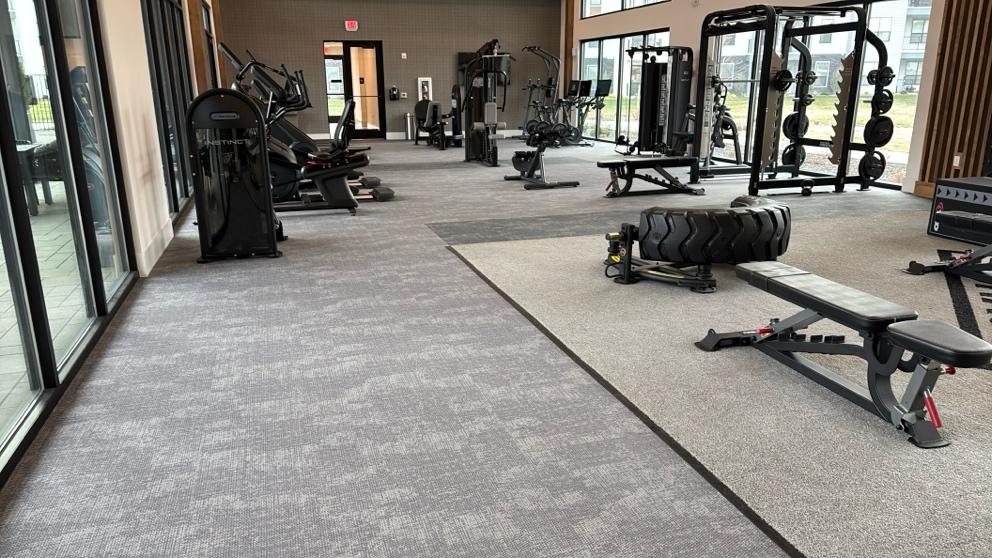
Source: https://drive.google.com/drive/folders/1SbQSe42JSWIfOcMR4cyLa-qpO_-mN8AT Consistency matters because workplace use is not evenly distributed. A conference room may sit empty for hours and then host three meetings in one afternoon. A breakroom may have short bursts of heavy use. Entrances can get dirtier in wet weather, while shared equipment may see constant contact every weekday.
A practical plan for workplace cleaning during flu season should reflect those patterns. High-touch areas can receive regular attention, while floors, waste removal, kitchens, restrooms, and common spaces can be maintained according to traffic and condition.
Businesses comparing cleaning companies Bozeman can ask whether cleaning frequency adjusts for occupancy, office layout, seasonal demands, and high-use areas instead of applying the same routine everywhere.
Cleaning Should Support Health Practices, Not Replace Them
Surface care is useful, but it is one part of workplace health. CDC respiratory hygiene guidance recommends covering coughs and sneezes, washing or sanitizing hands often, and cleaning frequently touched surfaces. Sick leave practices, communication, ventilation, and access to supplies can also affect how a workplace handles seasonal respiratory illness.
Employees should not be expected to treat cleaning as a substitute for staying home when workplace policy and personal circumstances allow. Managers can also reduce confusion by making expectations clear before illness begins circulating widely.
For facilities using Helena commercial cleaning support, a defined cleaning plan can work alongside those policies without making unrealistic promises about preventing colds or flu.
Keep the Workplace Easier to Manage During a Difficult Season
Seasonal illness can affect attendance, concentration, schedules, workload, and the people who step in when coworkers are absent. Thoughtful workplace cleaning during flu season can support cleaner shared areas and reduce one source of concern during weeks when teams are already under pressure.
For commercial janitorial support tailored to offices and other business properties, contact BMS Premier Cleaners or call (406)586-7478 for a free quote.