
LVT flooring is popular in busy commercial spaces because it can provide a practical balance of appearance and everyday performance. Still, good results depend on consistent care. An LVT maintenance plan helps property managers organize cleaning around foot traffic, flooring condition, facility type, and long-term needs. For businesses seeking LVT floor cleaning, professional service can also support routine maintenance when floors need more attention than daily cleaning can provide.
Start With a Daily Routine
Daily care should focus on removing dirt before it can become embedded or dragged across the flooring. Sweep or vacuum high-traffic areas regularly, paying particular attention to entrances, hallways, reception areas, and paths between frequently used rooms.
Loose grit can act like an abrasive when repeatedly walked over, potentially affecting the floor’s appearance over time. Promptly clean spills as well. Moisture and substances left on the surface can create slipping concerns or leave residue that becomes harder to remove later.
Use cleaning products and equipment recommended for the specific LVT product.
Avoid assuming that a stronger cleaner will produce better results. Incorrect products or excessive moisture may affect the finish or create unwanted residue.
Build a Weekly Cleaning Schedule
Daily removal of loose soil should be supported by a more thorough weekly cleaning routine. Depending on traffic, this may include damp cleaning across the full floor, with extra attention given to areas that receive repeated use.
Check edges, corners, beneath furniture, and spaces around fixtures. These locations can collect dirt even when the central walking areas look clean. Restrooms, break rooms, entrances, and corridors may require more frequent attention than private offices.
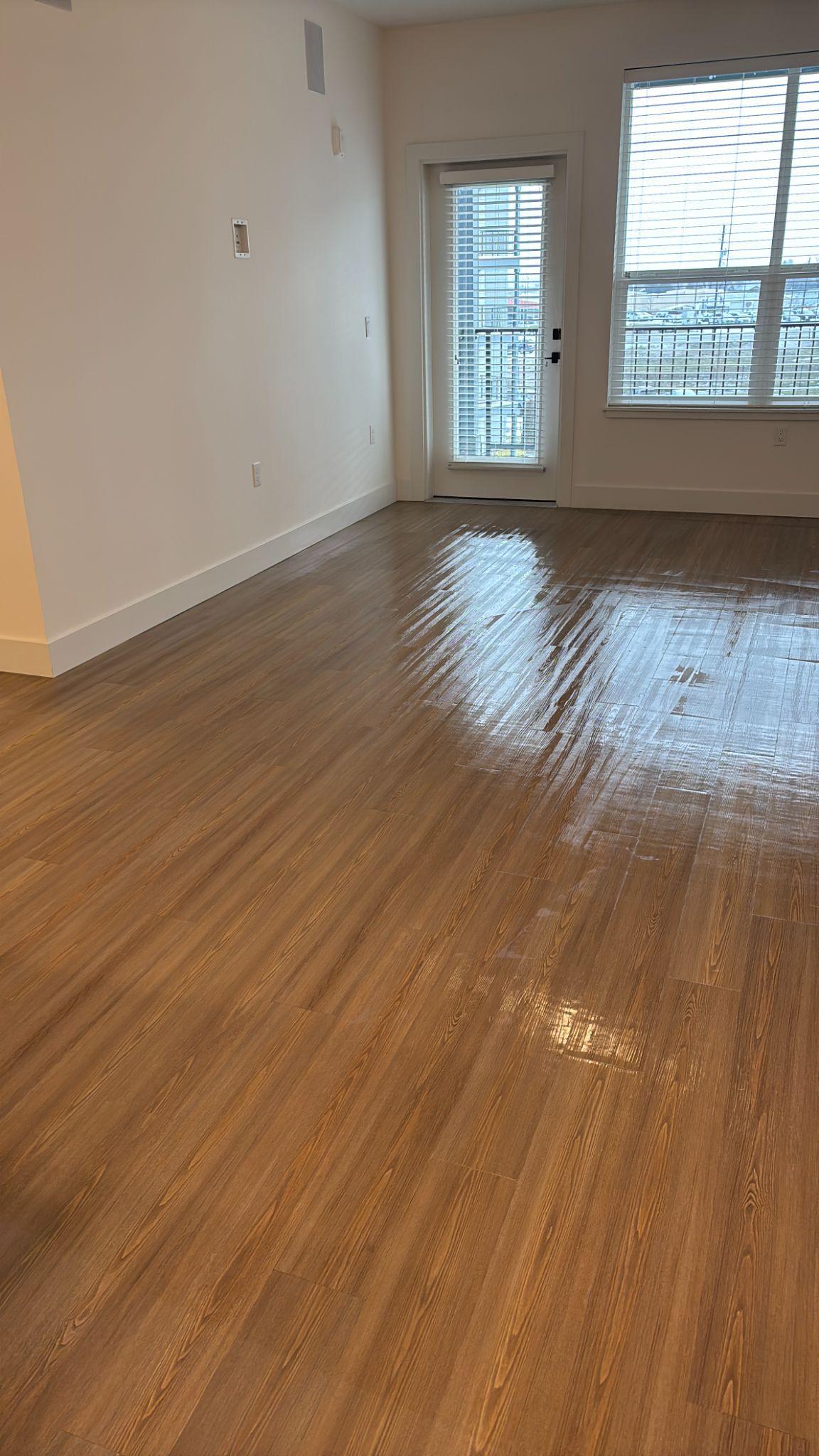
A weekly inspection is also useful. Look for scuffs, worn areas, discoloration, damaged sections, or changes in the flooring’s appearance. Identifying these issues early can help managers decide whether adjustments to cleaning methods or additional floor care are needed.
Adjust Care for Foot Traffic
Not every facility needs the same maintenance frequency. A small office with limited visitors may require less frequent intensive cleaning than a school, retail store, medical facility, or busy commercial property.
Create cleaning zones based on use. Entrances and main corridors may need daily attention, while low-traffic offices can follow a lighter schedule. During periods of increased activity, temporary changes may be necessary.
Entry mats can also help reduce the amount of outdoor soil reaching LVT flooring.
Keep them clean and positioned correctly so they can perform their intended function.
A cleaner entrance can reduce the workload placed on interior floors.
Plan Periodic Deep Care
Even with consistent daily and weekly cleaning, LVT flooring may eventually develop buildup that routine methods do not fully remove. Periodic professional cleaning can address accumulated soil and help restore a cleaner appearance.
The timing should depend on traffic, visible condition, facility requirements, and the flooring manufacturer’s recommendations. A heavily used retail floor may need more frequent attention than flooring in a lightly occupied office.
Periodic care should also include a review of cleaning products and procedures. If residue keeps returning, the issue may be related to product selection, dilution, equipment, or cleaning frequency. Correcting the process can help prevent repeated buildup.
Consider the Facility Type
The purpose of the building should influence its maintenance schedule. Retail properties may need frequent care around entrances, checkout areas, and aisles.
Offices often require attention in reception areas, corridors, kitchens, and shared spaces.
Healthcare and educational facilities may have additional sanitation and operational requirements. Industrial or warehouse settings can introduce different types of soil, making surface-specific cleaning procedures especially important.
Property managers should coordinate cleaning schedules with building activity whenever possible. Cleaning during suitable periods can reduce disruption while ensuring high-use areas receive appropriate attention.
Protect the Floor Between Services
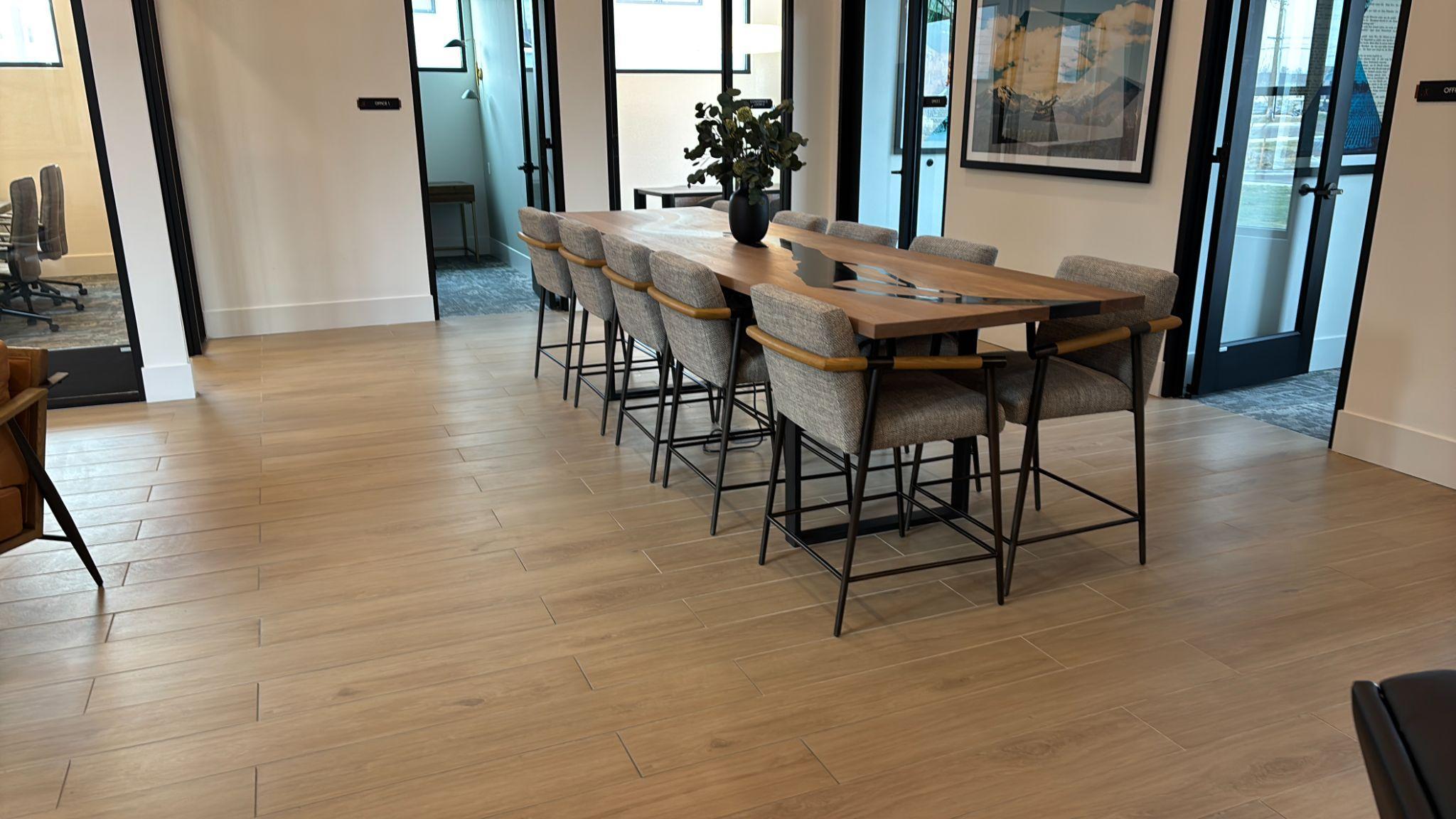
A maintenance plan works best when cleaning is supported by practical prevention.
Place appropriate mats at entrances, respond quickly to spills, and avoid dragging heavy furniture across the floor. Use suitable protective pads where recommended, and keep rolling equipment in good condition.
Staff should also understand basic floor-care expectations. Simple practices, such as reporting spills promptly and avoiding unsuitable cleaning products, can reduce preventable problems.
Record completed cleaning tasks and note areas that repeatedly require extra work.
These records can help managers identify patterns and adjust service frequency based on conditions rather than assumptions.
Know When Professional Help Is Needed
Routine staff cleaning may handle everyday soil, but some floors eventually need professional equipment or specialized care. Heavy buildup, persistent marks, dull areas, or commercial spaces can make professional service a practical choice.
Professional cleaners can assess the flooring, identify areas receiving heavier wear, and perform appropriate cleaning without treating every surface as though it requires the same approach. This can help maintain consistency across a large facility.
For businesses with multiple flooring materials, coordinating LVT care with other floor services can also simplify property maintenance. A single scheduled service program may address different surfaces according to their requirements.
Keep the Plan Flexible
An effective LVT maintenance plan should be reviewed rather than treated as a permanent schedule. Seasonal conditions, changes in occupancy, renovations, new tenants, and shifts in foot traffic can all affect cleaning needs.
Review the floor’s appearance and condition regularly. If high-traffic areas begin showing more soil or wear, increase attention there. If a low-use space remains consistently clean, its schedule may be adjusted without compromising overall care.
A practical plan combines daily soil removal, weekly cleaning, periodic professional care, and regular inspections. For dependable LVT floor cleaning, commercial cleaning services, and commercial janitorial services in Boise, BMS Premier Cleaners can support businesses with professional floor and facility cleaning. Call (406)586-7478 for a free quote.